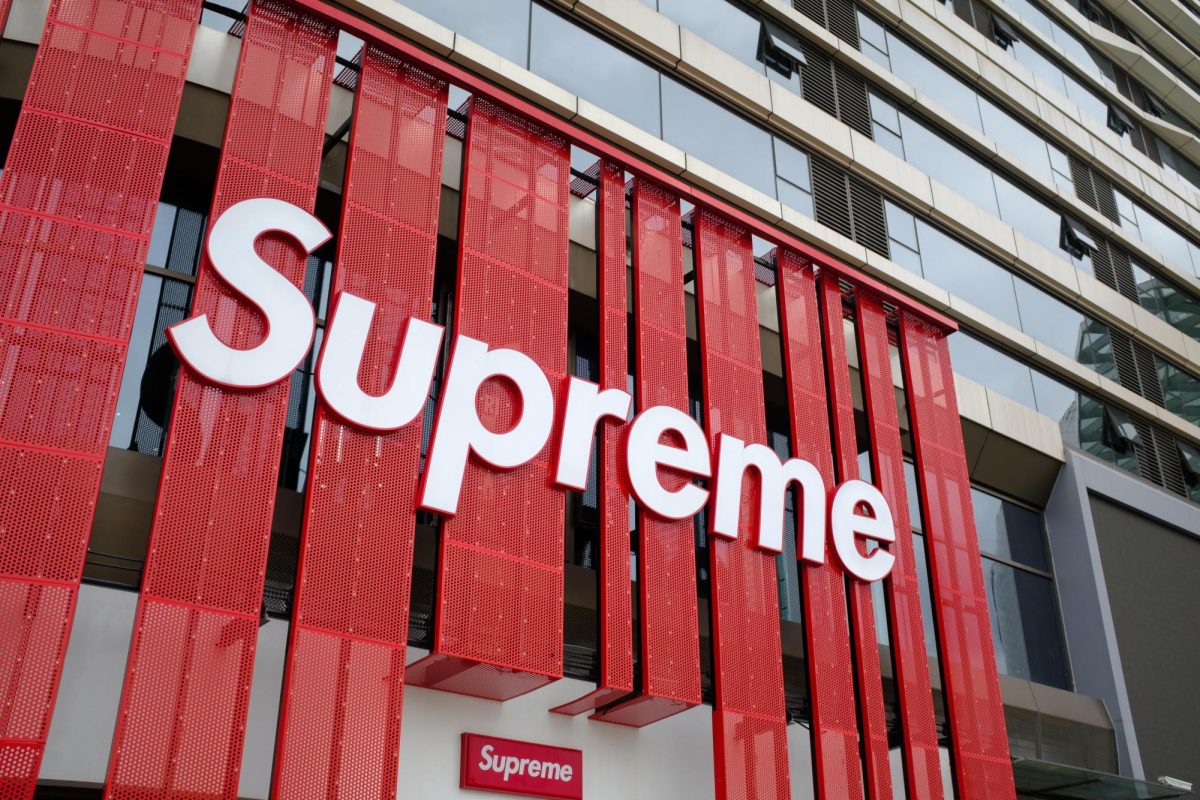

Just about every collectible brand does some version of a limited drop. A limited drop is when a company releases a small amount of a product for a short time, in order to build hype. Sometimes that product will later come out in a bigger release, and sometimes it is only sold once and never restocked. Either way, the point is the same: make the item feel rare, exciting, and hard to get.
That strategy works. Online, limited products can sell out in minutes or even seconds. In stores, it can get even crazier. People camp overnight, wait in long lines, or sit refreshing their phones, just for a chance to buy one item before it disappears. In those moments, the product becomes more than just a product. It starts to feel like an event.
Why brands do it
Limited drops work because scarcity creates demand. When people hear that only a small number of something is available, they start to see it as more valuable. Even if the product itself is not that different from a regular release, the fact that it is harder to get changes the way people think about it.
For brands, that scarcity can be incredibly useful. A limited drop creates urgency because buyers know they cannot wait around and decide later. It also creates free marketing. When people post about a product selling out fast or reselling for way above retail, that product gets even more attention. Suddenly, the item is not just popular, it feels important.
In other words, the hype becomes part of what the company is selling.
Bruce Bolt and the Max Clark drop
A recent example of this came from Bruce Bolt and its Max Clark series batting gloves. Bruce Bolt marketed the gloves as limited, and they sold out in under six minutes. That alone turned them from regular baseball gear into something closer to a collectible.
The gloves originally retailed for about $95 to $105, but only days later, some pairs were being resold for over $300. That huge jump in price showed that demand was much higher than supply. People were not just buying batting gloves because they needed batting gloves. They were buying into the idea of getting something exclusive.
That matters for Bruce Bolt because the resale market, even though it does not directly give the company extra money still helps the brand. When buyers see an item selling for two or three times retail, it sends a message that the product is worth chasing. It raises the brand’s status and makes the next drop feel even bigger before it has even happened. Bruce Bolt already has a luxury image in baseball, and a sellout like that only strengthens it.
What makes this example interesting is that Bruce Bolt is not just selling sports gear. It is also selling image. The gloves became something people wanted to show off, not only because of how they looked, but because not everybody could get them. That is what limited drops do so well. They turn normal products into status symbols.
Sneakers and resale culture
The same strategy has been used for years in the sneaker world, where limited releases often create even more chaos. A shoe can drop online and sell out almost instantly, only to reappear on resale websites at double or triple the original price. For a lot of buyers, the resale value almost becomes part of the product itself.
That is what makes sneakers such a strong example. Even people who are not sneakerheads understand the idea. A limited shoe is not just footwear anymore. It becomes a symbol of taste, status, and access. If you got the pair at retail, it feels like a win. If you missed out, it can make you want the next release even more.
Brands benefit from that cycle. They may not get the resale profit, but they do get the attention, the reputation, and the demand. Every sold-out drop builds the feeling that their products are special. And once customers start believing that, they are more likely to come back for the next one.
The sneaker world has shown this for years. Sometimes people are not even buying the product because they need it, they are buying it because everyone else wants it too. Once enough people start seeing an item as rare, it almost does not matter what the item actually is. The hype starts doing the work on its own.
The psychology
A big reason limited drops work so well is that they tap into basic psychology. When people are told something is rare or only available for a short time, they feel pressure to act fast. Instead of asking, “Do I really need this?” the question becomes, “What if I miss my chance?”
That is where a lot of the hype comes from. Scarcity creates urgency, and urgency can overpower logic. Buyers start to focus on the countdown, the low stock, or the possibility that they will regret not buying. Once the item sells out, it becomes even more desirable because now it is something not everyone could get.
There is also a social side to it. Owning a limited item can feel like proof that you were quick enough, lucky enough, or connected enough to get it. In that way limited drops are not just about the object itself. They are also about identity. People are buying the feeling of being part of something exclusive.
That is why so many of these drops feel bigger than they should. A product becomes tied to status, and missing out can feel personal. People do not just feel like they missed buying something; they feel like they missed being part of something.
More than just marketing
What makes limited drops so effective is that they blur the line between shopping and competition. Buying stops feeling casual and starts feeling like an achievement. The product does not only have value because of what it does, but it also has value because of what it says about the person who owns it.
That is why brands keep using this strategy. It turns customers into promoters, because every post, resale listing, and sold-out announcement adds to the story around the product. A limited drop can create the kind of buzz that normal advertising cannot. Instead of the company telling people the product matters, the market starts saying it for them.
That is also why the resale market matters so much. Even though brands do not make the extra money from resale, they still benefit from what resale says about their product. If something is being flipped for three times retail, people start assuming it must be worth it. That belief helps the company with the next release and the one after that.
The bigger picture
It is easy to understand why people buy into limited drops. They are exciting. They feel exclusive. They make ordinary products seem special. For athletes, collectors, and fans, getting a limited item can feel genuinely rewarding.
At the same time, there is a downside. Hype can push people into spending more than they planned, stressing over releases, or caring more about beating the crowd than about the product itself. A pair of batting gloves or sneakers should not have to feel like a lottery ticket. But that is exactly what limited drops often turn them into.
That is what makes the economics of hype so interesting. Limited drops work because they tap into real emotions: excitement, competition, identity, and fear of missing out. Companies understand that, and they use it well. The result is a system where scarcity drives attention, attention drives demand, and demand makes the product feel even more valuable than it was to begin with.