
Every year in late January or early February, millions of families across China prepare for an event that is very important in the culture: Spring Festival, also known as Chinese New Year. From red decorations covering streets and homes to fireworks lighting up the night sky, the celebration transforms entire cities. While many people outside of China see it as simply the lunar new year, Spring Festival carries centuries of history, symbolism, and cultural meaning that continue to shape Chinese identity today.
Despite now being the most important holiday in China, Spring Festival began as a survival-based tradition. According to legend, a monster named Nian would appear at the end of each year to harm villagers. People discovered that Nian feared loud noises, bright lights, and the color red. These discoveries shaped many of the traditions that are still practiced today, including setting off firecrackers and hanging red decorations. What began as protection against fear gradually evolved into a celebration of renewal and hope.
Over time, Spring Festival became centered around family gatherings. Because it follows the lunar calendar, the date changes each year, but its meaning remains constant: it is a time to return home. Millions of Chinese people travel long distances just to share a reunion dinner with their family. Similar to how Americans gather for Thanksgiving or Christmas, the New Year’s Eve dinner in China represents unity, respect for elders, and gratitude for the past year.
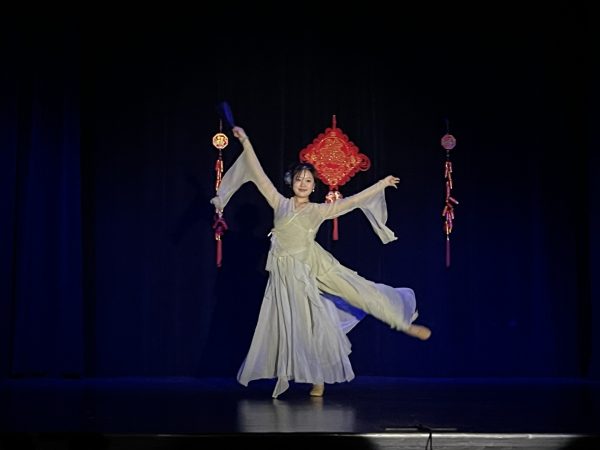
Although Spring Festival has ancient roots, modernization has transformed how it is celebrated. Digital red envelopes are now sent through apps instead of being handed out in person, and televised New Year galas attract billions of viewers. Social media platforms have also helped spread Spring Festival traditions globally, allowing people outside China to witness lion dances, lantern festivals, and fireworks displays. Just as streaming services boosted holiday songs in America, technology has expanded the reach and influence of the Spring Festival worldwide. In BASIS Independent Brooklyn, students host celebratory events including classical Chinese dances, lion dances, and many other performances that represent Chinese culture.
Today, Spring Festival is not just a holiday but also a symbol of cultural continuity. Even for Chinese people living abroad, celebrating it preserves a connection to heritage and identity. While the decorations, travel, and festivities are highly visible, the true value of Spring Festival lies in what it represents: renewal, family, and hope for the future. As globalization continues to connect cultures, Spring Festival remains a tradition that both adapts to modern life and holds firmly to its ancient roots.